

Founder, Chairman & Chief Executive Officer, KenHome® Corporation
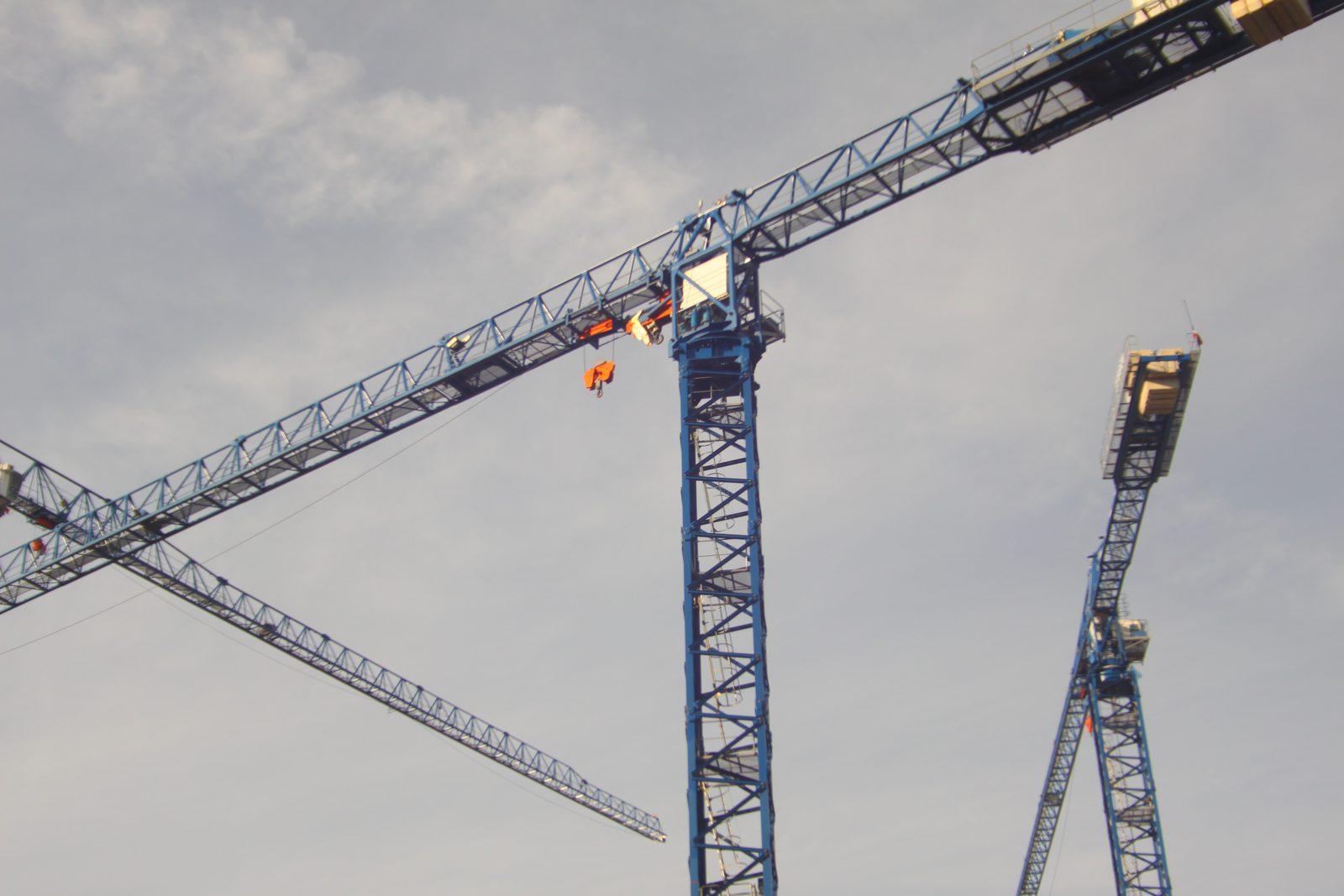
Photo: Thakerus, Wikimedia Commons (CC0)
Construction is usually described in terms of what gets built. For the people who finance it, the more important question is what can be known, and when. A lender committing to a construction loan, an equity partner approving a draw, an insurer pricing a builder’s risk policy: each makes a decision on the strength of documents. The quality of those documents shapes the cost of capital as surely as the quality of the concrete shapes the building.
That is why every KenHome® engagement runs on the same five stages, which we summarize as Gate. Grade. Govern. Each stage has a purpose, conditions that must be met before the next begins, and documents a sponsor can put in front of a lender.
Qualify and define
Qualify: confirm the deal is real before anyone spends. Before we pursue a project, we confirm the scope, the sponsor’s capital readiness and the fit between the two. That includes our $10M project floor, vetting of the sponsor and capital stack, and a review of the site, entitlements and feasibility. A project that cannot clear this gate is better identified in week one than in month six.
Define: keep capital from committing to the wrong asset. Here we issue a rough order of magnitude estimate with an itemized basis of estimate, elect the delivery model and KenHomeOS™ scope, and set the preconstruction tier: Standard, Turnkey or Smart Asset.
The basis of estimate is the document we would point a lender to first. A single number tells a reader very little. A basis of estimate shows what was assumed, what was included and excluded, which quantities were measured and which are allowances, and where the risk sits. It lets a capital partner test the number instead of trusting it.
Contract and build
Contract: give the capital stack peace of mind. The agreement is executed, design coordination begins and the price is developed into a guaranteed maximum price with open-book reconciliation. Lender, insurance and sanctions compliance are confirmed at this stage, not discovered later.
An open-book maximum price gives the capital stack two things at once: a ceiling on cost, and a clear view of what sits beneath it. Every line of cost, every allowance and every use of contingency is visible and reconciled. When the project is complete, the reconciliation shows exactly what was spent and why.
Build: no surprises between groundbreaking and keys. Construction runs under governed subcontractor procurement and buyout, with real-time schedule, cost and safety reporting, and systems integrated as the work proceeds, joined by KenHome-manufactured product once our Dallas platform is in production.
Change-order discipline is where many projects lose the confidence of their lenders. Our approach is simple to describe and demanding to practice: every change is documented, priced and approved before the work proceeds, and its effect on cost and schedule is reported in the same cadence as everything else. A lender reviewing a draw should never be surprised by what it is paying for.
Deliver and govern
Deliver & Govern: protect value long after handover. The final stage covers commissioning and as-built documentation, warranty and closeout reporting and, on Smart Asset engagements, ongoing KenHomeOS operations and performance reporting.
Closeout is often treated as paperwork at the end of a project. We treat it as the beginning of the asset’s financial life. The commissioning record, the as-builts and the warranty file are what an appraiser, a permanent lender or a future buyer will rely on. They should be complete, organized and easy to verify.
After handover, KenHomeOS carries the record forward. Operations, energy and performance data accumulate from the day the building opens, so an owner refinancing or selling the asset can show how it has actually performed rather than how it was expected to.
Why the stages matter
- Each stage has a gate: conditions that must be met before capital moves to the next.
- Each stage produces a document a lender can read and test.
- Cost is open-book from the first estimate to the final reconciliation.
- Changes are priced and approved before work, and reported as they happen.
- Performance is measured after handover, not assumed.
We say that we don’t just build buildings; we protect capital. Gate. Grade. Govern. is what that looks like in practice: a project built so that the people who finance it can see what they are financing at every step. If you are structuring a project and would like to see what these documents look like, we would be glad to walk you through them.