

Founder, Chairman & Chief Executive Officer, KenHome® Corporation
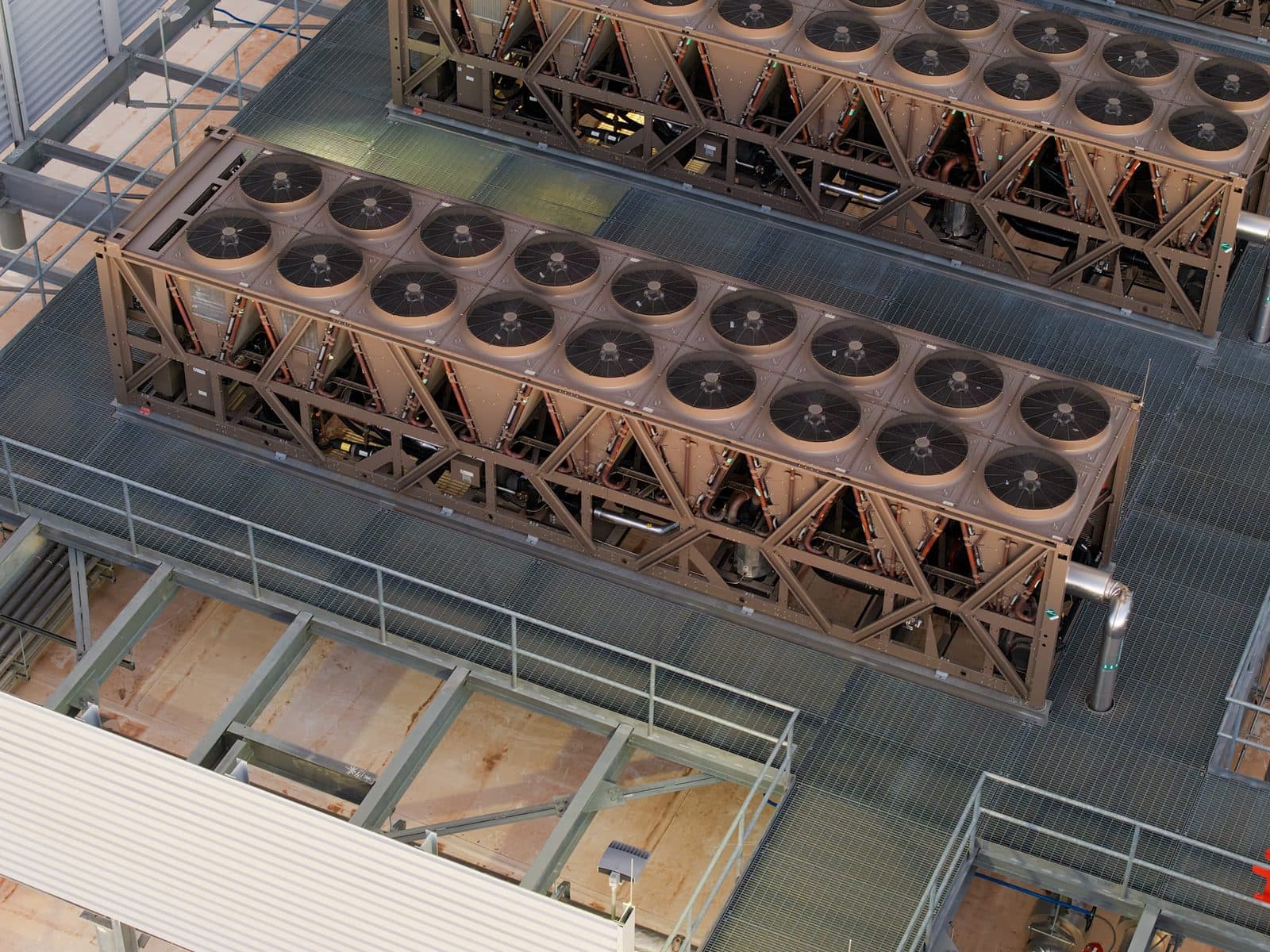
Photo: Rsparks3, Wikimedia Commons (CC0)
Ask most owners where their project’s schedule risk lives and they will point to the site: weather, labor, inspections. Those risks are real. But on many projects the most consequential delays are decided months earlier and miles away, in a factory’s production queue, a distributor’s allocation list or a shipping plan nobody on the project team can see.
Procurement is where much of a building’s cost and timeline is set, and it is one of the least visible parts of construction. We built KenHome® Supply to change that.
Where the margin and the delay sit
A typical supply chain for building equipment and materials runs from manufacturer to distributor to contractor to site. Each layer has a purpose. Each also adds its own markup, its own lead-time assumptions and its own priorities.
Distributors serve many customers at once. When demand for a product outruns supply, as it has repeatedly for electrical gear, mechanical equipment and appliances in recent years, they allocate what they have across their customer base. A project’s place in that queue depends on relationships and volume it does not control.
Visibility suffers too. A contractor ordering through a distributor often learns the real ship date only when the distributor does, which may be well after the schedule was built around a different one. By the time a delay shows up on site, the options to absorb it are gone.
Stacked margins and hidden lead-time risk are nobody’s fault in particular. They are structural, and the only way to remove them is to change the structure.
Buying direct
KenHome sources direct from manufacturers, with no distributor between the factory and the floor. That covers structural materials and building products; mechanical, electrical and plumbing components including HVAC, switchgear and wiring devices; data center infrastructure; structured cabling, AV, security and automation equipment; and appliance, window-treatment and interior packages.
Buying direct does two things. It removes a layer of margin, which shows up in the open-book cost basis every KenHome owner sees. More importantly, it puts our team in contact with the people who actually schedule production. We can see a lead time as the manufacturer sees it, confirm a production slot rather than hope for one, and make purchase decisions against the real sequence of work.
We are also building out our own manufacturing in Dallas, Texas, so that appliances, climate equipment and smart devices can be assembled and certified under our own name. Owning the product means owning the lead time.
Qualification before price
The cheapest unit is expensive if it fails inspection, arrives incomplete or cannot be supported after handover. So we qualify suppliers before we compare prices.
Qualification means confirming that a supplier can meet the specification, the volume and the delivery window; that its products carry the certifications the project and jurisdiction require; and that it will stand behind warranty and parts for the life of the asset. Every supplier and subcontractor agreement also incorporates our Codes of Conduct, including our standards on labor, safety and business integrity.
Inspection happens at both ends. Where it is warranted, product is inspected at source before it ships, when problems are cheapest to fix. Everything is inspected on receipt, against the purchase order and the specification, before it is accepted onto the project.
Logistics to the floor
Procurement does not end when a purchase order is placed. It ends when the right product is installed in the right place.
We align deliveries to construction milestones rather than ordering everything early and storing it, or ordering late and hoping. Material arrives when the crew that installs it is ready, which reduces handling and damage on site and keeps laydown areas usable.
On multifamily and commercial work, that discipline extends to the finishes residents and tenants actually touch. At Celestica in Richardson, Texas, we delivered the appliance and window-treatment package for The Opus Group on a schedule aligned to construction milestones. Coordinated packages like that are how a building arrives move-in ready on handover day.
What owners gain
- Fewer layers of margin, visible in an open-book cost basis.
- Lead times seen at the source and confirmed, not assumed.
- Suppliers qualified on capability, certification and support before price.
- Inspection at source where warranted, and on every receipt.
- Deliveries sequenced to the work, not to the warehouse.
Supply chains will keep shifting. Owners cannot control that, but they can choose a builder who sees those shifts early and has the relationships to respond. That is what direct procurement is for. Manufacturers and suppliers who want to work with us can register at subs.kenhome.group.